Rust: How a Solo Player Survives, Raids and Gets Revenge on a Zerg Server
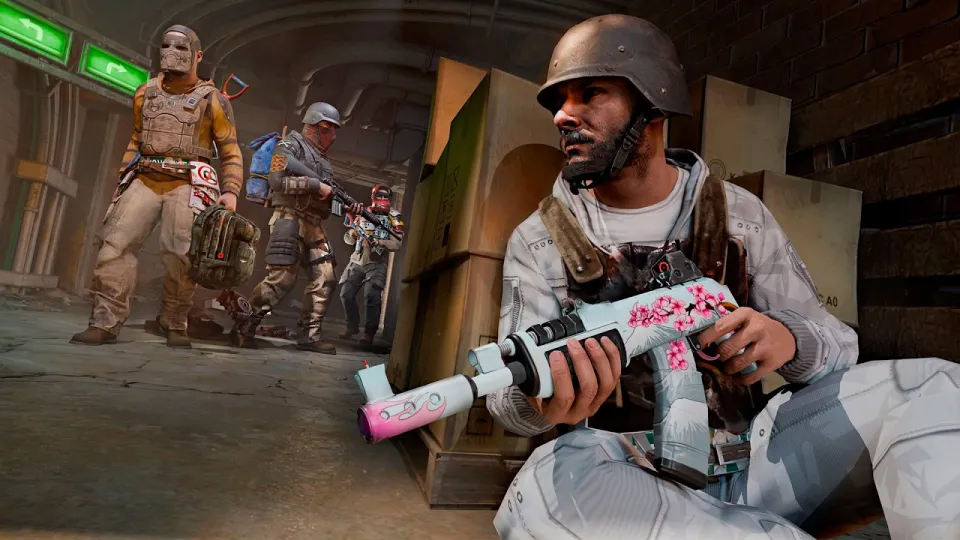
Video: THE SOLO MENACE – Rust
Want articles like this for your own video to promote it on YouTube and Google? Order them through the Telegram bot @sat_sit_bot. It writes articles around your video, embeds the video and publishes them on popular niche websites (no ads). Try it free: 50 articles on us.
· based on the channel SPiiCY
Rust is a survival PvP game where a solo player builds, loots and fights on the same server as clans that can field six, ten or more players, so surviving alone means trading raw numbers for speed, stealth and smart base design. The solo "menace" approach shown by SPiiCY is not about winning every gunfight: it is about progressing fast, keeping a cheap base, and coming back to raid the group that wiped you. Players who want the same loadout and setup can grab the RustEasy bonus and tools via SPiiCY's link before jumping on a server.
What makes a solo run in Rust different from group play
A solo run in Rust is a resource-management problem first and a shooting problem second, because every fight you take alone is a fight you cannot afford to lose twice. Groups split farming, crafting and guarding; a solo player does all of it with one inventory and one respawn timer. That changes the priorities:
- Progression speed beats gear quality. A solo player who reaches a tier-two workbench and a few rockets in the first day is ahead of a clan that is still organising.
- Base cost matters more than base size. A small footprint with stone or metal core and a well-hidden loot room is cheaper to rebuild after a raid than a compound.
- Information is a weapon. Knowing which group lives where, when they farm and how many are online decides whether a raid is a profit or a loss.
- Every death should convert into knowledge — who killed you, from where, and what they were carrying.
Solo players also face the psychological side of the game: a zerg can lose five fights and still raid you, while a solo player who loses one kit may lose hours of progress. That asymmetry is exactly why the aggressive, revenge-driven style works — it punishes groups that assume nobody will hit back.
Base design and progression for a one-player team
Base design is the single biggest force multiplier for a solo player in Rust, because a good layout turns a 1v4 defence into a manageable fight. Practical principles that show up in strong solo builds:
- Keep the core small: a 1x1 or 1x2 loot room surrounded by honeycomb costs far less than a wide base and takes longer to breach than it looks.
- Use multiple airlocks and a shotgun trap or flame turret corridor so that a raider who blows in still has to fight.
- Separate loot across two or three small stashes or secondary bases; a single lucky raid should never end your wipe.
- Build near a monument you can farm quickly but not directly on the main road, where traffic brings attention.
- Upgrade priority is core first, honeycomb second, roof last — splash damage from rockets punishes unfinished tops.
Progression follows the same logic: get a furnace base running, push to tier two, then spend scrap on blueprints that pay for themselves (weapons, explosives, med syringes) instead of cosmetics. A solo player who reaches satchels and rockets early can crack small clan bases before those groups finish their own tech tree.
Revenge raids and PvP tactics against zergs
Revenge raiding is the practice of returning to the group that killed or raided you and taking their loot, and it is the backbone of the solo menace playstyle. It works because clans rarely expect a single player to come back with explosives. Key tactics:
- Scout before you spend. Watch the base for a full in-game day to learn door positions, turret coverage and how many players are online.
- Hit offline-adjacent hours — early morning server time — when a clan's numbers are lowest.
- Bring exactly what you need: enough explosives for the path to the loot room, plus a second set in a stash nearby in case you die.
- Use the terrain. Approach from the side with no turret line, and keep a fallback route to a bag or a boat.
- Take the loot fast and leave. Sorting a raided base is how solo players get counter-raided.
In open PvP, the same logic applies: fight from cover, use sound to bait groups into chokepoints, and never chase a wounded player into an open field where three of his teammates are waiting. The recoil systems in Rust reward controlled, short bursts, so a solo player who practises spray control on a training server can out-trade opponents who rely on numbers.
Typical viewer questions about solo Rust
Viewers watching solo gameplay usually ask the same practical things, and the answers are consistent across most wipes. The first is how a solo player survives a 600-population server: by building away from the busiest roads, farming at off-peak hours and treating every fight as optional. The second is how much time a run needs — realistically several hours on wipe day to establish a base and tier-two, then shorter sessions for raids and defence. The third is whether trap bases are worth it: yes, for solo players especially, because a well-built trap base converts a group's overconfidence into free loot without requiring a fair fight. Finally, players ask about performance — high-population servers punish low frame rates, which is why many creators recommend FPS tuning tools before wipe day rather than after.
Tools, settings and links from the run
Performance and preparation tools matter as much as aim in Rust, and SPiiCY's setup points to a few specific resources. Hypertune is recommended for higher FPS on crowded servers, which directly affects recoil control and reaction time in fights. The full base design tutorials sit behind the Patreon membership, and the community runs through Discord.
- RustEasy bonus and site: https://rseasy.com/spiicy
- Hypertune FPS tool: https://hptn.gg/spiicy
- Patreon membership with base design tutorials: https://www.patreon.com/c/spiicyrust/membership
- Alternative Patreon join link: https://www.patreon.com/join/spiicyrust
- Discord community: http://discord.gg/HZjW3RYMGA
Conclusion
Solo Rust is not a weaker version of group play — it is a different discipline built on cheap bases, fast progression and the willingness to hit back. The solo menace style shown by SPiiCY in this breakdown works because it turns a clan's size into a liability: big bases hold more loot, and big groups rarely expect one player to return with rockets. Copy the principles rather than the exact fights: small base, early tier two, scouted raids, and a fallback plan for every engagement. If you want to start with the same setup, claim the RustEasy bonus through SPiiCY's link and tune your FPS before the next wipe.
Key takeaways
- Rust is a survival PvP game where solo players routinely face clans (zergs) of six or more players.
- A solo run depends on a compact, cheap base and fast progression rather than on winning every fight.
- Revenge raiding — hitting the group that wiped you — is a core solo strategy in Rust.
- Base design and trap layouts are the main force multipliers for a one-player team.
- SPiiCY's solo gameplay video was published on 24 August 2026 and is built around a small, aggressive playstyle.
Source: THE SOLO MENACE – Rust · Markdown version
Questions & answers
How does a solo player survive on a high-population Rust server?
By avoiding the busiest routes and monuments, building a small cheap base away from main roads, and farming at off-peak hours. Fights should be optional: a solo player picks engagements where the numbers are even or where cover and sound give an advantage.
Is revenge raiding worth it for a solo player in Rust?
Yes, when it is planned. Scouting the target base, hitting at low-population hours and bringing only the explosives needed for the path to loot turns a revenge raid into profit. Raiding blind, without knowing door positions or online counts, usually ends in a counter-raid.
How much time does a solo Rust wipe take?
Expect several hours on wipe day to establish a base, furnaces and a tier-two workbench, then shorter sessions for farming, raiding and defence. Splitting the work across sessions and keeping loot in separate stashes reduces the cost of a bad night.
Are trap bases good for solo players?
Trap bases are one of the best solo tools because they convert a group's overconfidence into free loot without a fair fight. A shotgun trap corridor or flame turret behind airlocks forces raiders to fight on your terms inside a base you already know.